
Model Universe Blog, Diecast Models, New Announcements
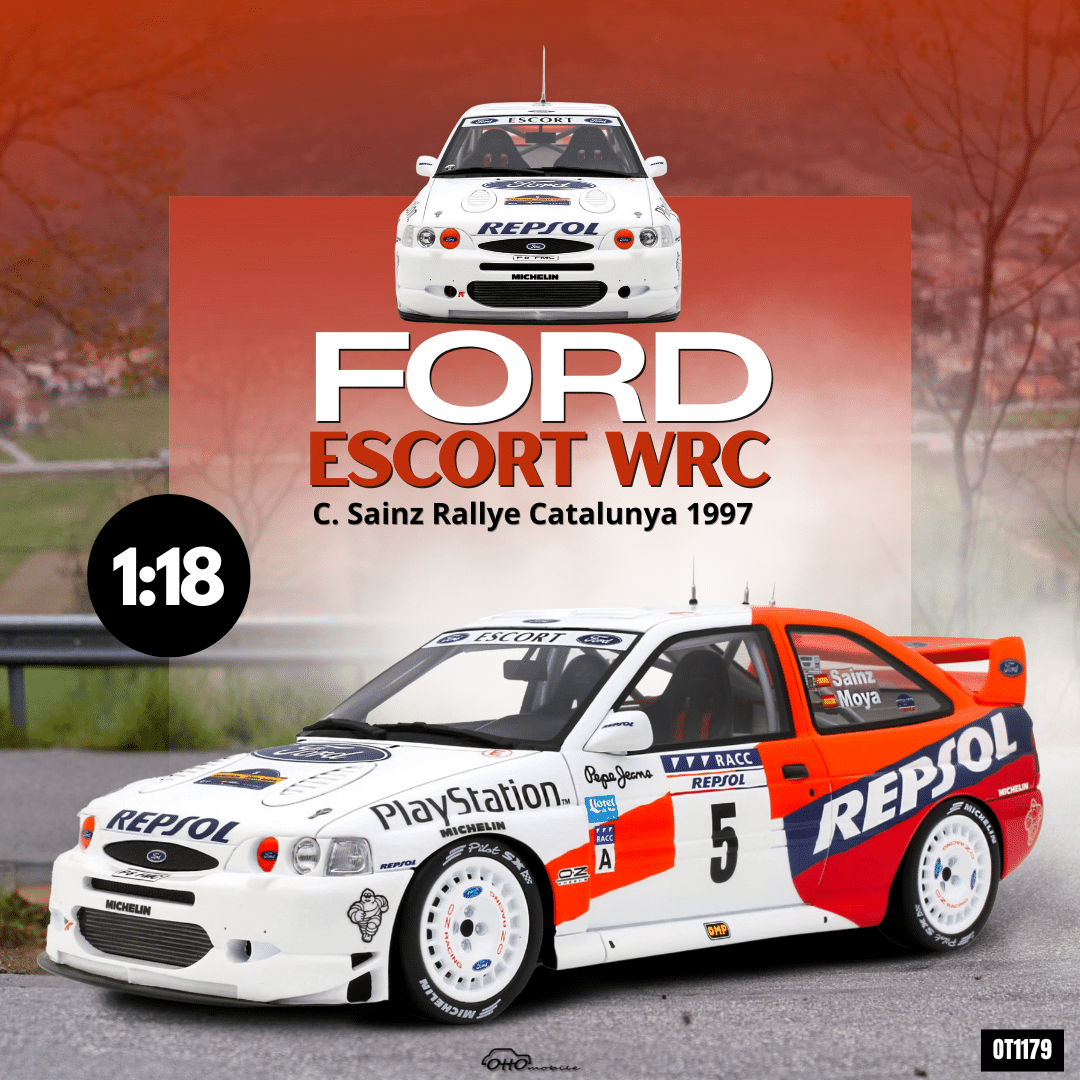
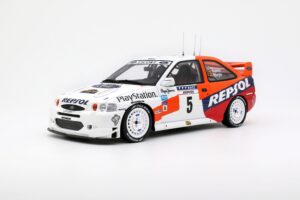
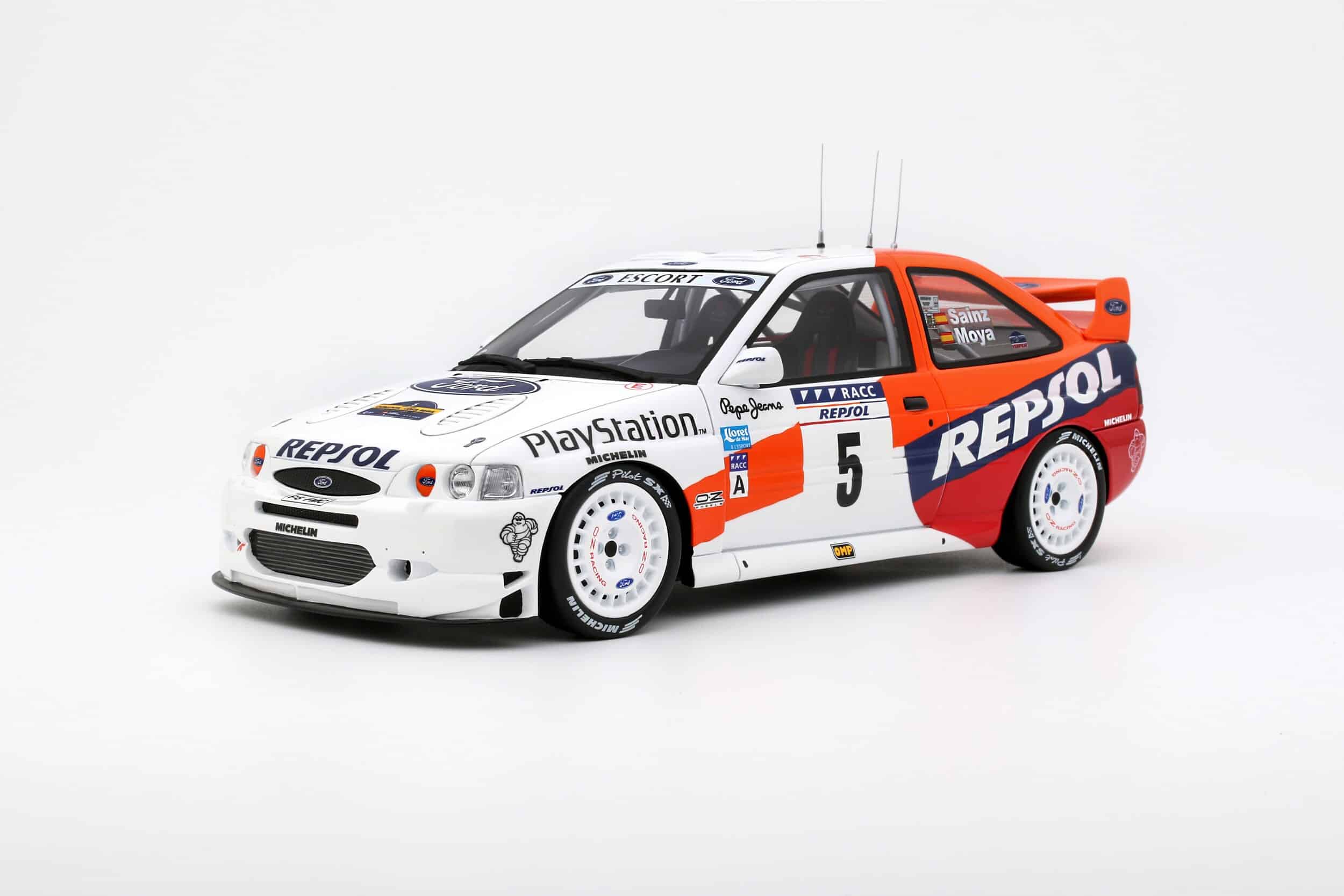
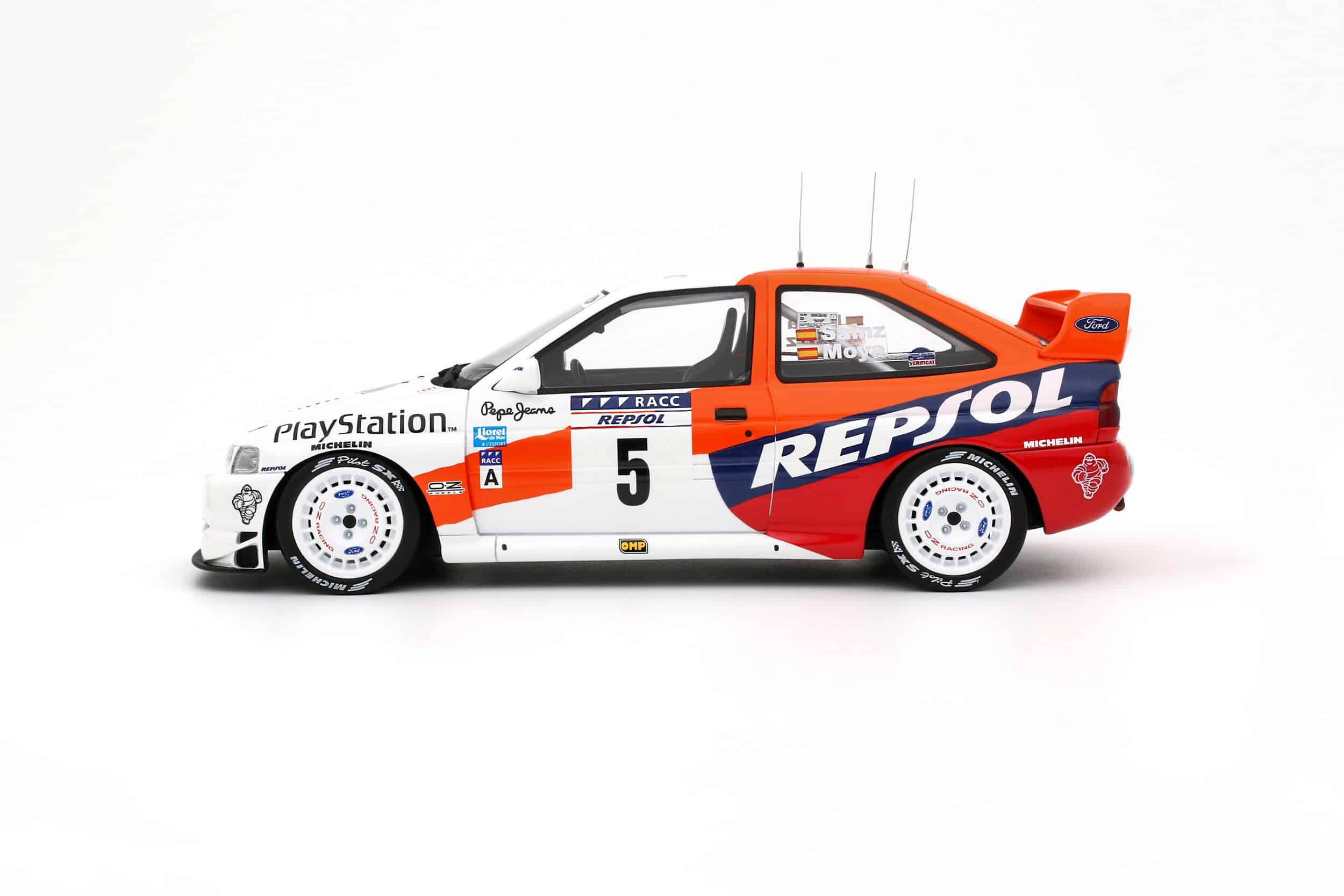
Pre Order the Otto Mobile 1:18 Ford Escort WRC Raced by Carlos Sainz at the 1997 Catalonia Rally!
Order Yours
Release Date
This model is expected to arrive around January 2026, subject to delays.
Model Specification
- Sealed resin model
- 1:18 scale – approx. 24cm long
- Limited edition of 2000 pieces
- Officially licensed
Photo Gallery
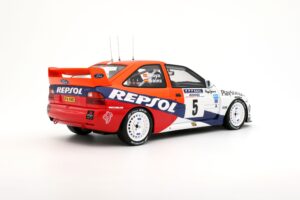
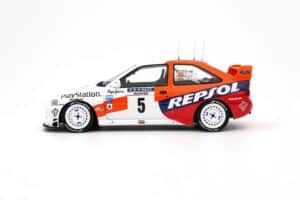
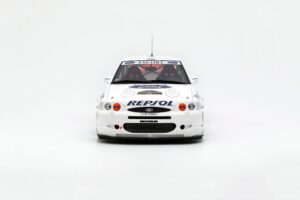
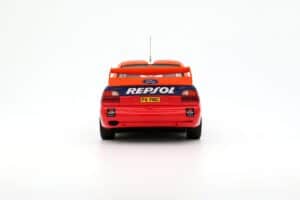


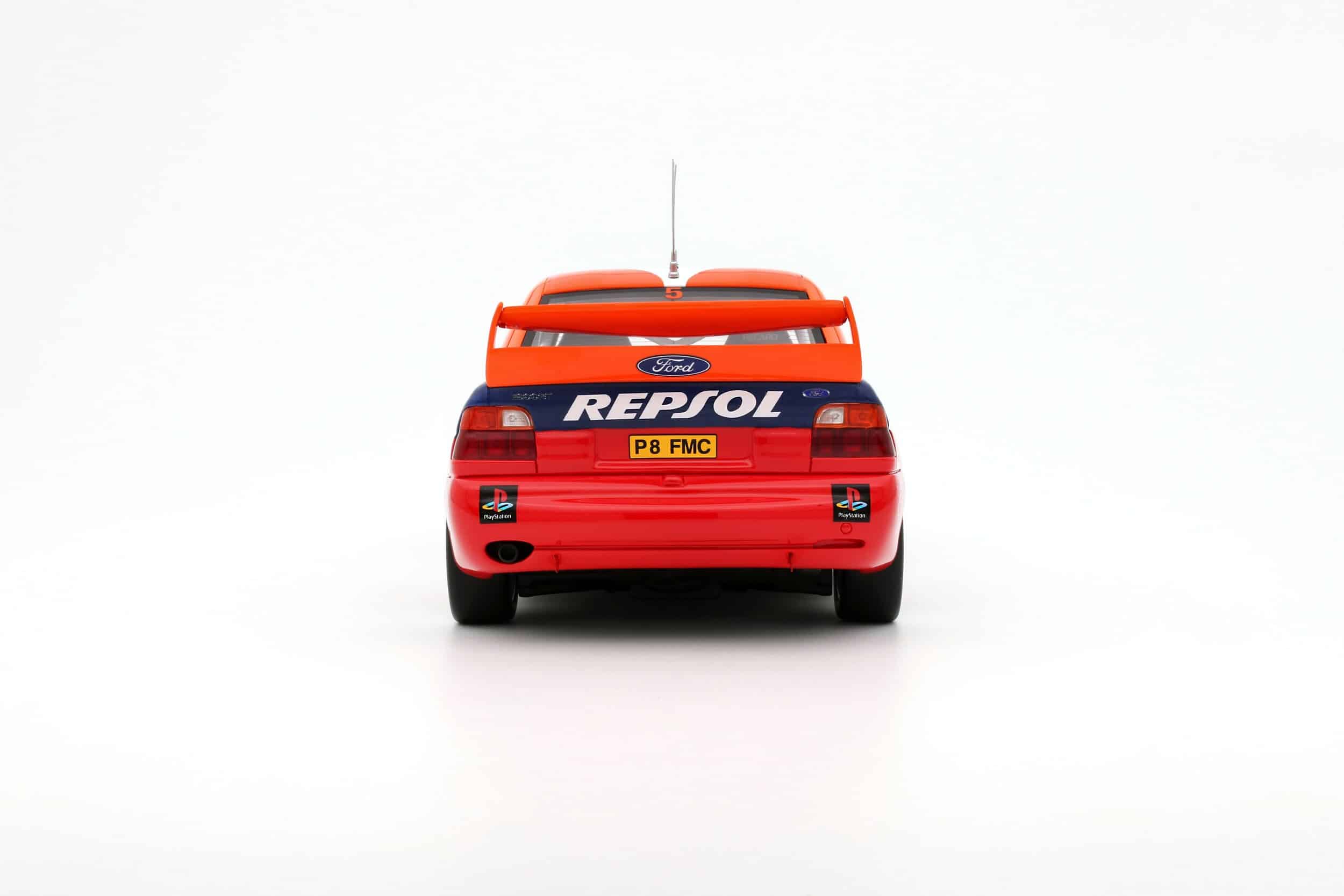
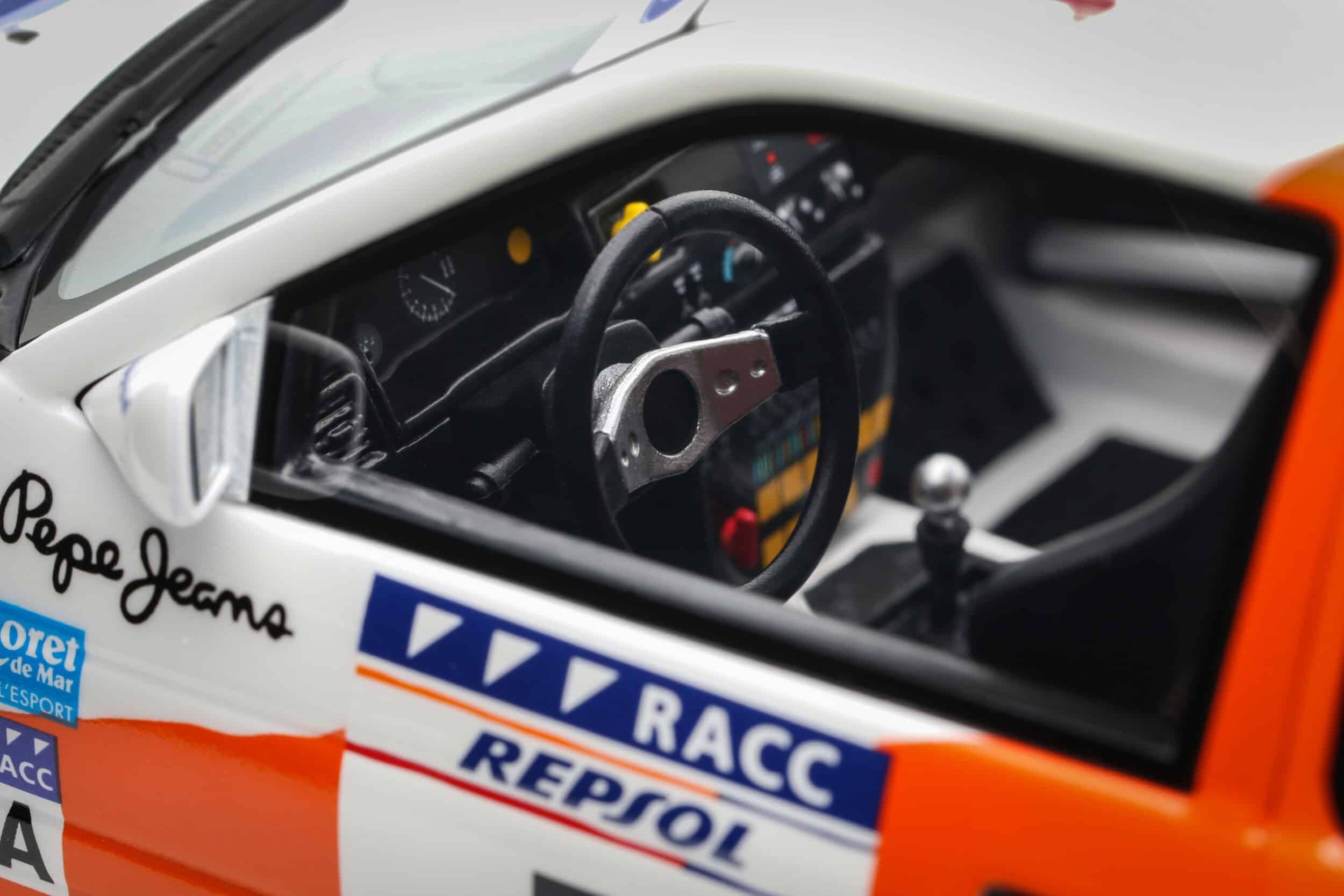
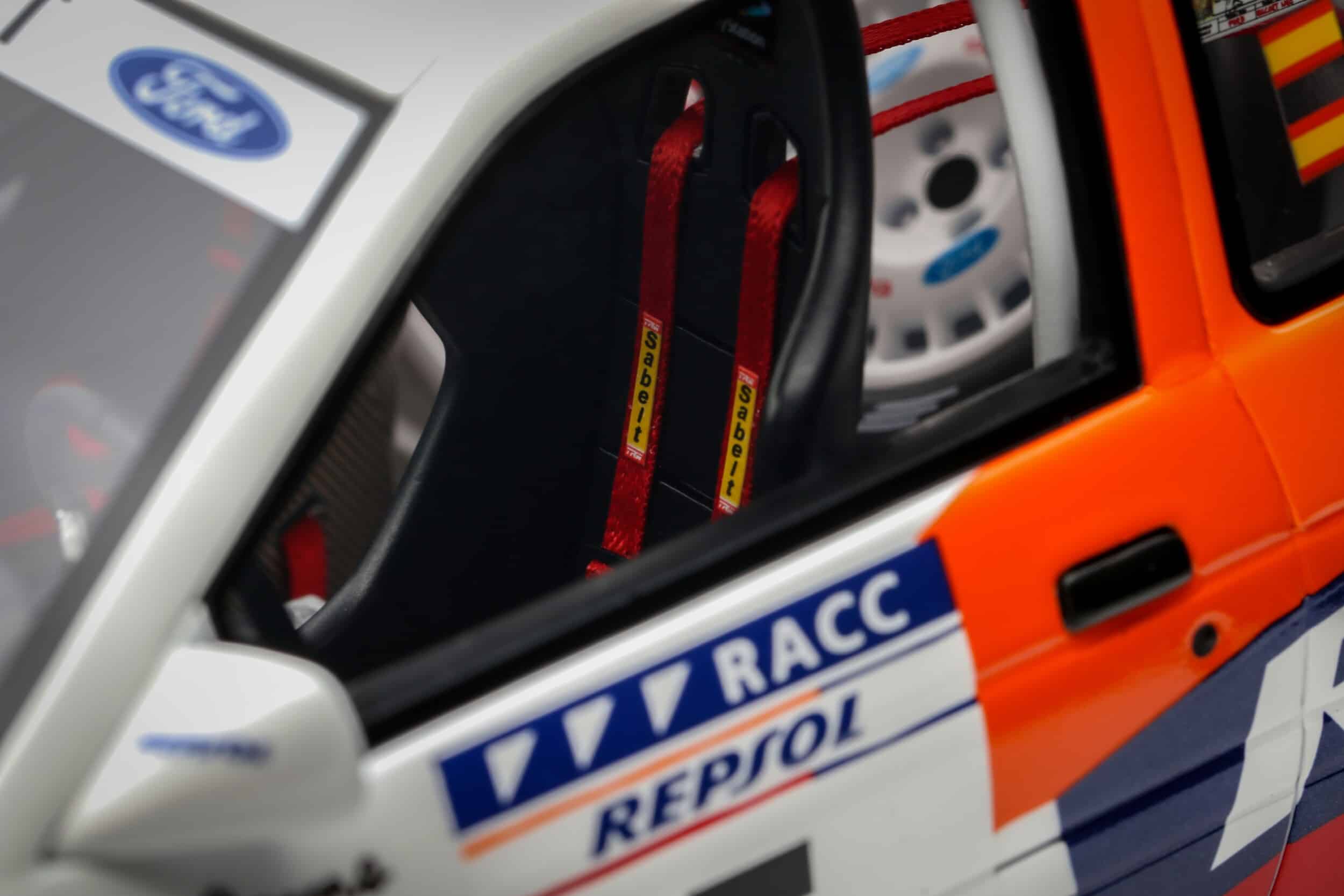
Vehicle Background
The Ford Escort WRC made its competitive debut in 1997 as Ford’s first car built under the FIA’s newly introduced World Rally Car regulations. It replaced the Group A–spec Escort RS Cosworth that had raced from 1993 to 1996 and opened a new era for Ford’s rally programme.
The car’s first season was campaigned by Carlos Sainz and Luis Moya, driving for the Ford Team Repsol, which was managed by Malcolm Wilson’s M-Sport (then RAS Sport). The 1997 Rally Catalunya (Rally de España) was one of the Escort WRC’s earliest outings and one of the last events in which it appeared wearing the distinctive Repsol livery — a partnership inherited from Sainz’s previous years with Subaru.
This event marked both the dawn of a new technical chapter for Ford and a continuation of Sainz’s deep connection with Spanish rally fans on home soil.
Performance
At its core, the Escort WRC was powered by a heavily revised version of the legendary Cosworth YBT 2.0-litre turbocharged inline-four, carried over and re-engineered from the Escort RS Cosworth.
- Engine: 1,993 cc DOHC turbocharged inline-four (Cosworth YBT Evolution)
- Power Output: Approx. 300 PS (296 bhp) at 6,000 rpm
- Torque: Around 500 Nm (369 lb-ft)
- Transmission: 6-speed sequential gearbox with permanent four-wheel drive
- Differentials: Electronically controlled active front and rear diffs, mechanical centre
On tarmac, the Escort WRC was rapid and responsive:
- 0–100 km/h in around 4.0 seconds
- Top speed: Approximately 200 km/h (124 mph) depending on gearing
The new WRC regulations allowed Ford greater aerodynamic and suspension freedom, which helped transform the Escort into a far more adaptable, competitive platform than its Group A predecessor.
Design
The 1997 Repsol Escort WRC retained the broad, aggressive stance of the outgoing RS Cosworth but introduced extensive aerodynamic and chassis upgrades.
- Exterior: The car was finished in the iconic Repsol livery, blending white, orange, and blue with Ford and Michelin branding. It was among the last rally cars to carry the Repsol colours before Ford adopted its later blue-and-white factory scheme.
- Aerodynamics: Revised bumpers, side skirts, and a larger fixed rear wing improved downforce and high-speed stability.
- Bodywork: Lightweight composite panels and flared arches housed 18-inch tarmac-spec wheels.
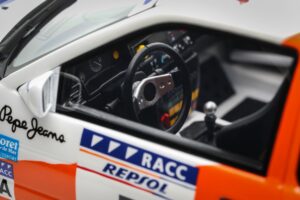
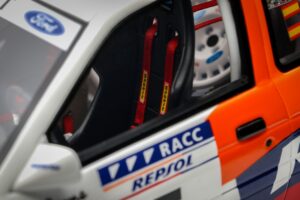
- Interior: Stripped-out competition cabin with a welded roll cage, racing seats, sequential gear lever, and digital readouts — pure functionality and safety over comfort.
This design made the Escort WRC as visually striking as it was technically advanced — a perfect blend of Ford engineering and Spanish sponsorship flair.
Driving Technology
The Escort WRC bridged traditional rally engineering with emerging electronic systems that defined the late 1990s WRC cars:
- Active Differentials: Electronically controlled front and rear differentials dynamically adjusted torque split.
- ATTESA-based 4WD System: Constant four-wheel drive with torque vectoring for improved traction.
- Turbocharging & Anti-Lag: Garrett turbocharger with advanced anti-lag system for immediate throttle response.
- Suspension: Long-travel MacPherson struts with adjustable geometry for different rally surfaces.
- Brakes: AP Racing ventilated discs and 4-piston callipers, with adjustable brake bias.
These technologies allowed Sainz to maximise grip and precision on the fast, flowing tarmac stages of Catalunya — an event known for its high-speed, circuit-like roads.
1997 Rally Catalunya
The Rally Catalunya – Costa Brava, held from 6–9 March 1997, was the third round of the FIA World Rally Championship and the first all-tarmac event of the season.
Carlos Sainz, driving the Repsol Ford Escort WRC with co-driver Luis Moya, was competing in front of a passionate home crowd. Despite the car’s newness, Sainz demonstrated immediate competitiveness, setting several top stage times and pushing for a podium throughout the event.
After three days of tight competition against Tommi Mäkinen’s Mitsubishi Lancer Evo IV and Colin McRae’s Subaru Impreza WRC, Sainz finished 3rd overall, giving the Escort WRC its first-ever podium finish.
This result was a significant achievement — it confirmed the Escort WRC’s potential under the new regulations and proved M-Sport’s development direction was right on target.
Heritage and Motorsport Legacy
The Escort WRC was the final chapter in Ford’s Escort-based rally dynasty, ending a lineage that began in the late 1960s. The 1997 Repsol car bridged the gap between the iconic Escort RS Cosworth and the new era that would soon be represented by the Focus WRC (launched in 1999).
Carlos Sainz’s performances in the Escort WRC — particularly in Catalunya — were instrumental in restoring Ford’s competitive standing in the World Rally Championship. His engineering feedback also laid the groundwork for the Focus WRC’s later success.
The 1997 Repsol Escort WRC is remembered as a symbol of transition: the end of the turbocharged Cosworth era and the start of Ford’s modern rally resurgence.
Place in Rallying History
Within rallying history, the 1997 Ford Escort WRC (Repsol) stands out as a unique fusion of legacy and innovation. It was the last Escort to compete at the sport’s highest level and one of the final rally cars to wear Repsol’s iconic colours.
For Spanish fans, it remains one of the most emotionally resonant entries — Carlos Sainz driving a Ford built in Britain, powered by Cosworth, and sponsored by a Spanish energy giant, all while delivering a podium on home tarmac.
Key Figures
| Specification | Value |
|---|---|
| Engine | 2.0-litre turbocharged inline-four (Cosworth YBT evolution) |
| Power | ~300 PS (296 bhp) |
| Torque | ~500 Nm (369 lb-ft) |
| Transmission | 6-speed sequential |
| Drivetrain | Permanent 4WD with active front & rear differentials |
| 0–100 km/h | ~4.0 seconds |
| Top Speed | ~200 km/h (tarmac spec) |
| Weight | ~1,230 kg |
| Event | 1997 Rally Catalunya – Costa Brava |
| Driver / Co-driver | Carlos Sainz / Luis Moya |
| Result | 3rd Overall |
| Team | Ford Team Repsol (M-Sport / RAS Sport) |
| Livery | Repsol – White, Blue & Orange |